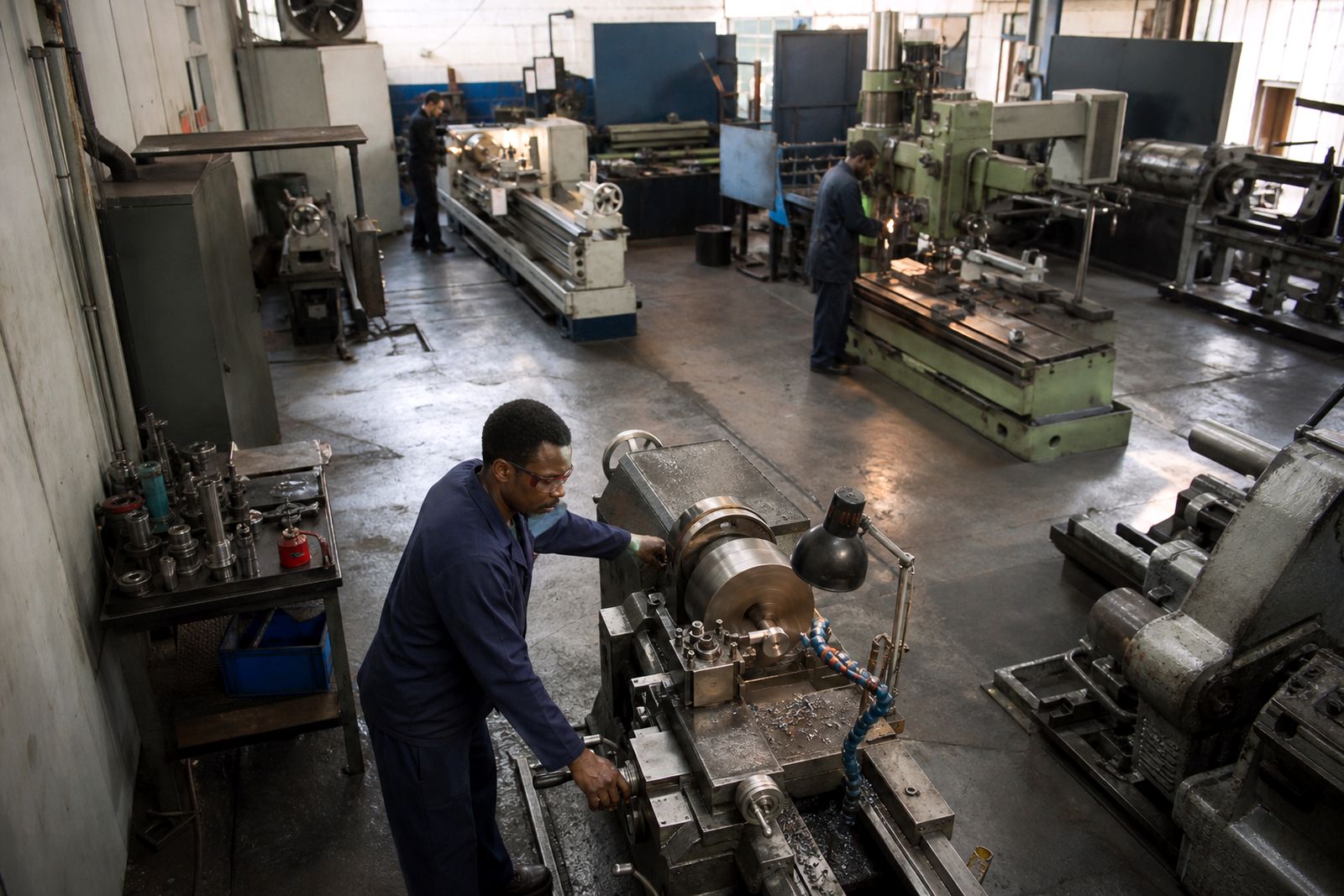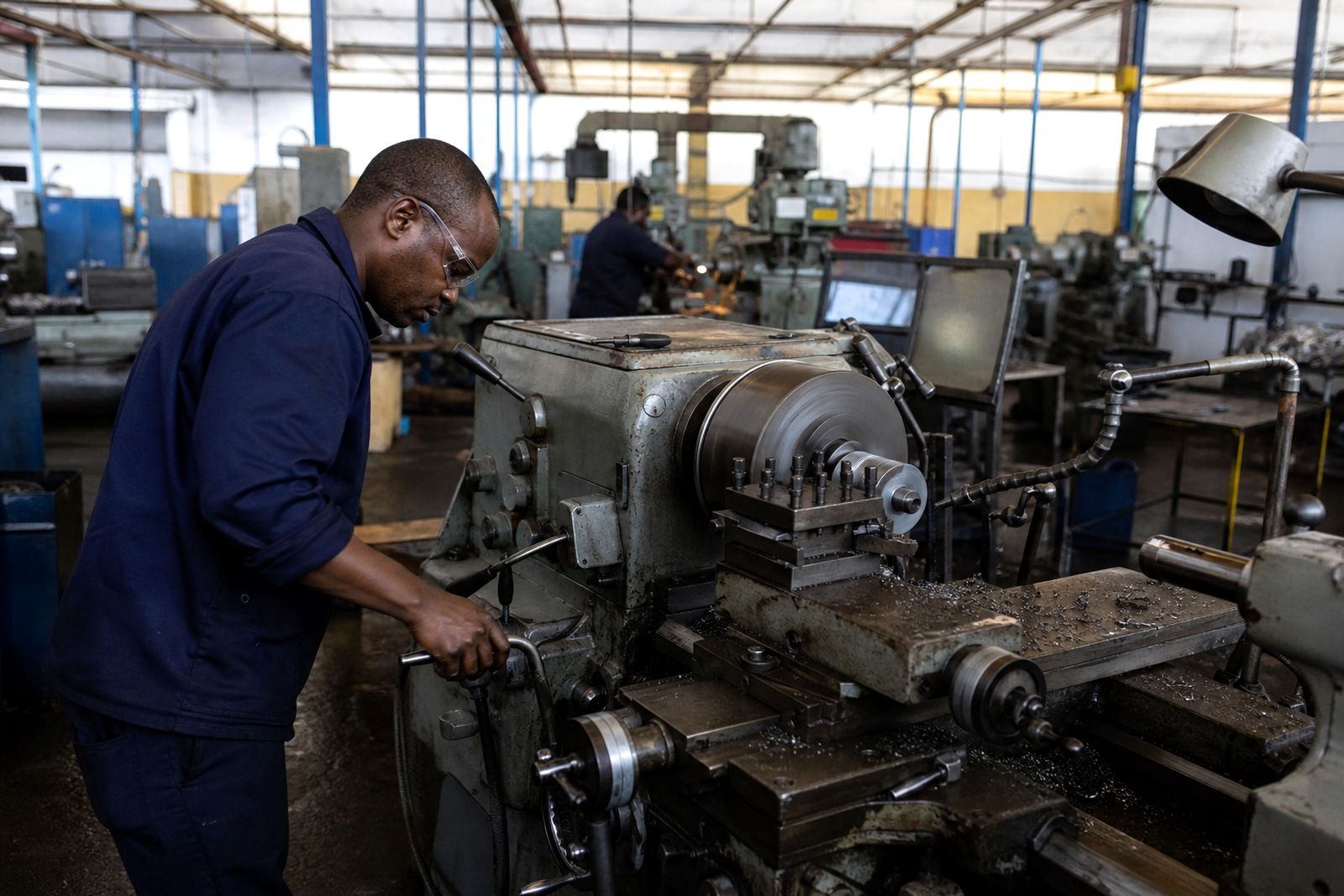

Side by side
A side-by-side comparison sets machine capacity, condition, tooling and power requirements in one written table before you choose. Written figures make differences visible before any move is planned.
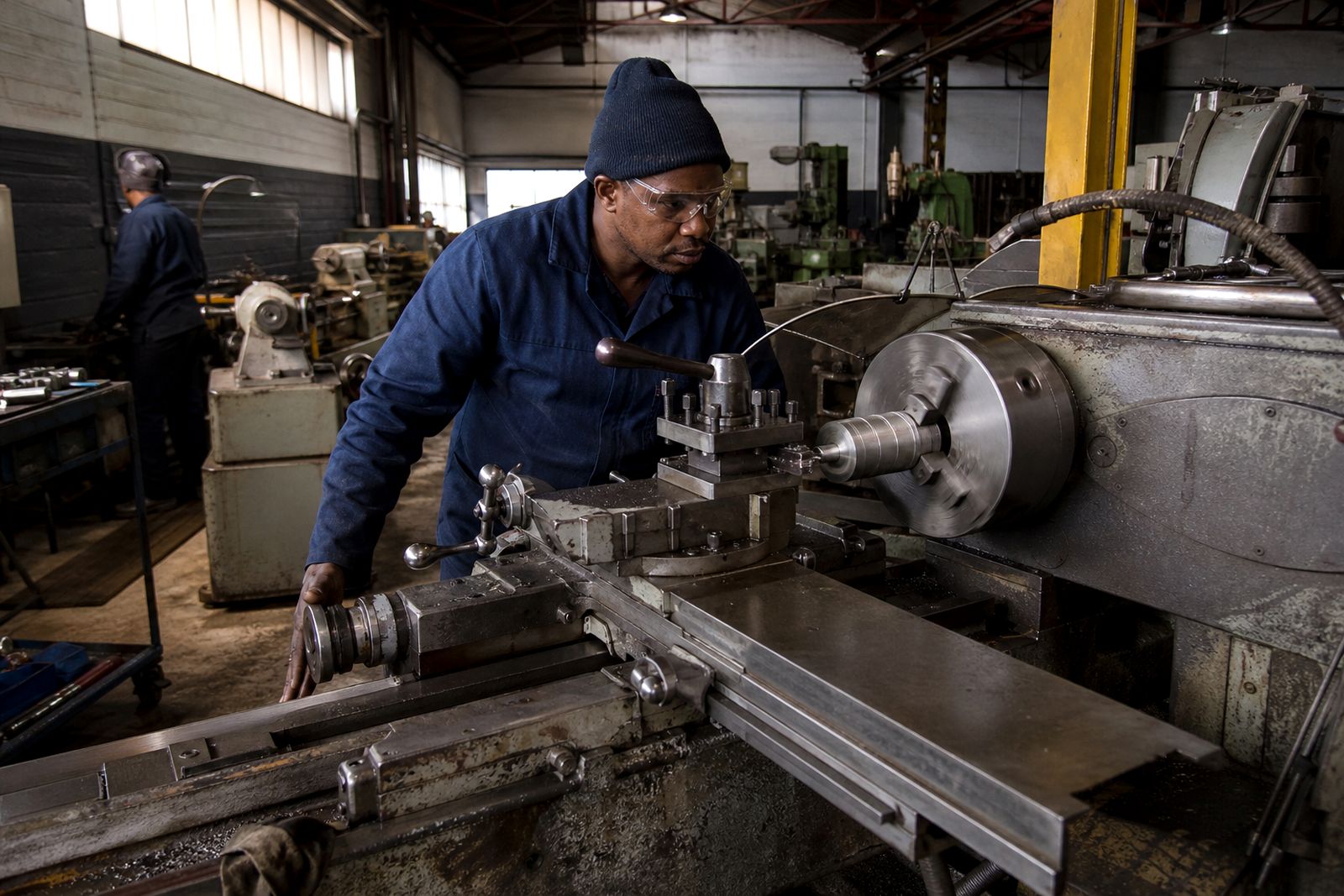
Compare capacity first
Largest intended work must fit the machine’s holding, cutting or boring envelope.
Record swing, centre distance, table size, spindle bore, travel and throat depth only where they apply to the machine type.
Extra capacity can still be the wrong choice where the job envelope does not use that size.
Put condition in writing
Wear descriptions need to distinguish normal use from damage that changes accuracy, safety or buying risk.
Separate written lines can cover bed wear, slide movement, spindle noise, guarding, lubrication points and electrical cabinet condition.
One vague condition note can hide a measurable fault that affects cutting load, repeat work or operator control.
Check tooling and power
Supply limits can rule out a machine even where the working envelope matches the job.
Tooling value changes the comparison where one machine includes workholding and another needs separate items.
Separate lines keep machine equipment apart from workshop requirements:
- Included chucks, steadies, centres, arbors or clamps named in the written offer.
- Tooling gaps that affect first production work after dispatch.
- Required voltage, phase and plug or starter information stated for each machine.
- Operator loading area around the machine for workholding and material movement.
Choose from the table
Rank each machine against the work already quoted or planned, not against catalogue appearance.
Remaining questions stand out once capacity, condition, tooling and power sit in the same table.
What our machine customers say
Verified Google reviews