
Education cell
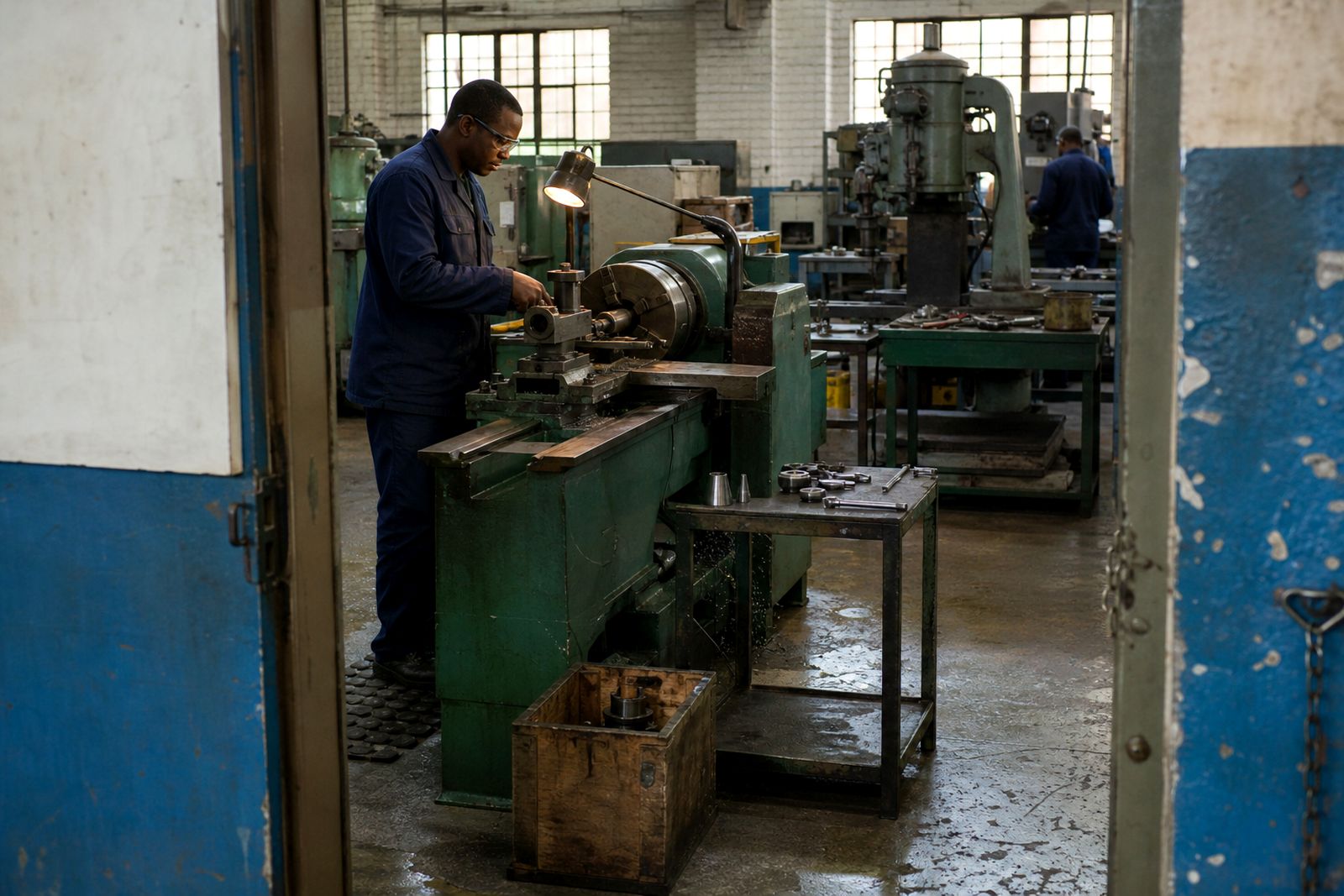
An education cell needs machines that match the trade syllabus, learner tasks and workshop space without overloading supervision.
Cell scope and tasks
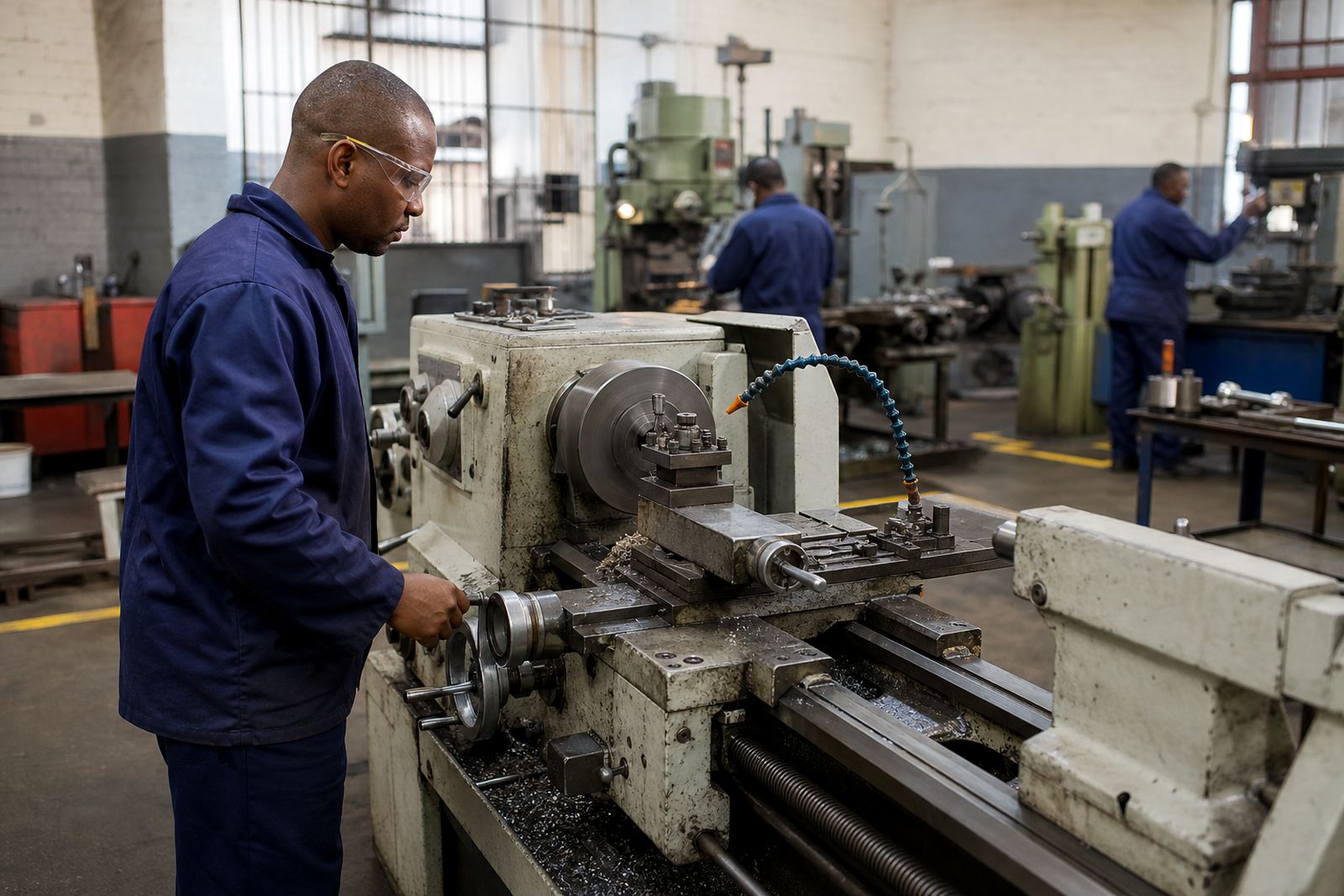
Set down the trade being taught, learner level and operations each person must complete. A written task list ties each machine type to the turning, drilling, milling, pressing or grinding work it will do.
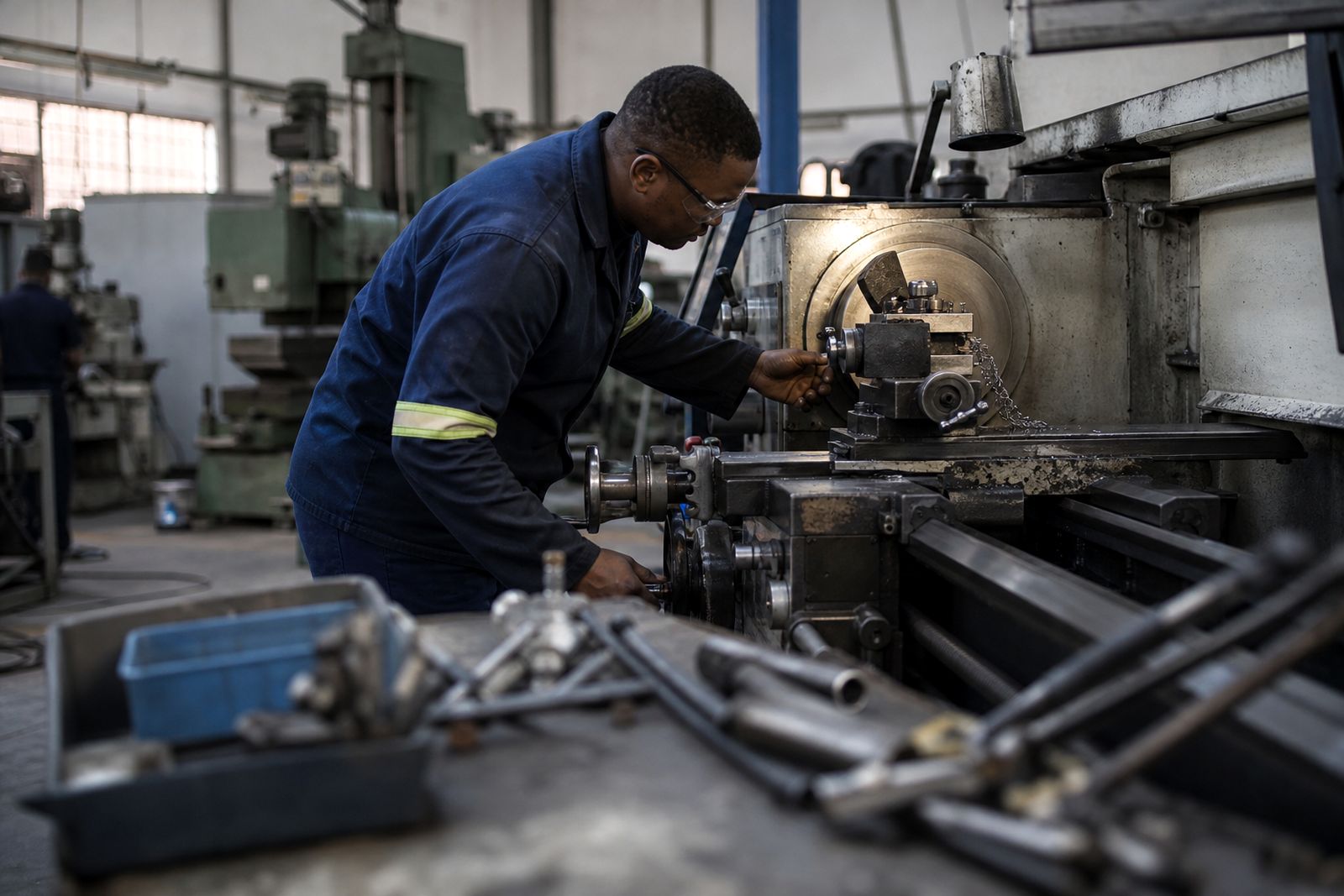
A centre lathe suits facing, parallel turning, drilling from the tailstock and thread cutting exercises. A drill station suits marking-off work, hole sizing and vice clamping checks.
Milling machines, surface grinders and hydraulic presses need clearer task limits because learner errors can damage cutters, tables and press tooling.
Selecting cell equipment
Machine capacity must suit the largest assessment piece, not the largest job imagined for the room. Oversized machines can reduce supervision access and make beginner work harder to control.
Manual controls give lecturers a clear view of feed choice, hand position and clamping method. Toolroom machines can suit advanced work where measuring, finish and repeatability form part of the assessment.
Quote notes cover available floor area, electrical supply, learner group size and exercise material sizes.
Quoting starts from four checks in the equipment brief:
- The learner operations, material sizes and assessment pieces are named in writing.
- Usable area, machine positions and access gaps are stated in measurements.
- The electrical supply, plug arrangement and isolator position are described in writing.
- Tooling, chucks, vices and measuring equipment are listed separately.
Teaching area clearances
Access around guards, slides and handwheels affects how closely a lecturer can watch safe use. Narrow gaps can also block chuck changes, vice setting and workpiece handling.
Bench space belongs near measuring tools, cutting tools and workholding items. Learners lose accuracy when measuring work is mixed with swarf, coolant containers or loose tooling.
Dust on slides, screws and tables shortens the useful life of education machines. Bare metal surfaces also need regular protection where corrosion marks appear on tables, chucks or exposed ways.
New or used for teaching
Both new and used machines can suit an education cell when condition, guarding, tooling and documentation are checked against the syllabus. Quoting on used options needs written condition notes.
What our machine customers say
Verified Google reviews