

Shops
Machine tool plans shaped around real South African workshop weeks.
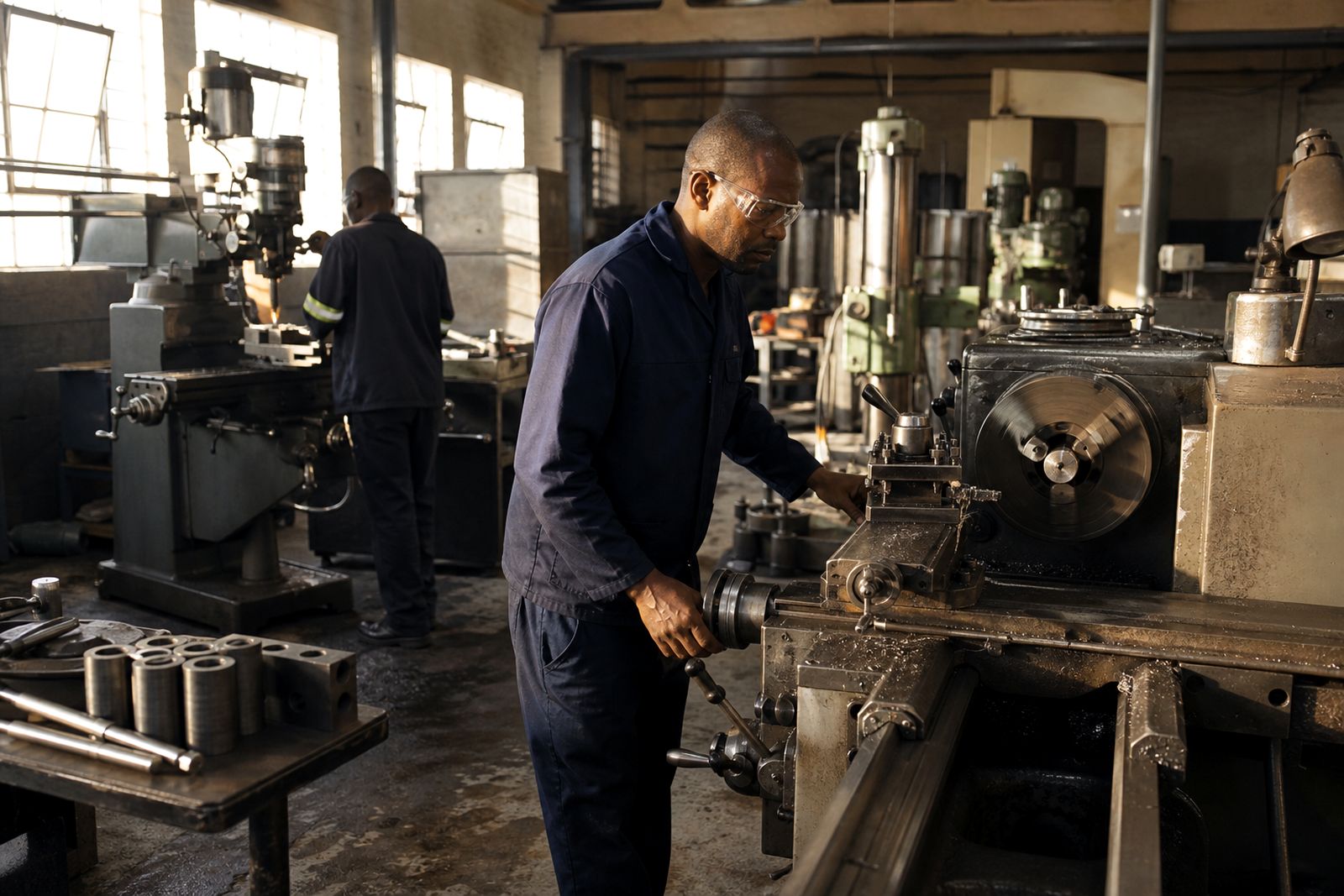
What to look for before a machine leaves the floor
Buying a used machine is easier when the checks are done properly before transport. On a typical shop visit, look at bed wear, spindle condition, backlash, feed operation, lubrication points and the general state of the electrics. It also helps to confirm what tooling, chucks, guards and change parts are included, because that affects how quickly the machine can go into service.
If you are matching a machine to an existing line, ask whether the power supply at your site is suitable and whether the floor can take the weight and footprint. Our machines page gives a broad view of the equipment we handle, and the floornotes page covers practical points to check before delivery. If you are unsure what to inspect, use the contact form and we can talk through the machine in plain terms.
Getting a machine into position and running
The move from floor to workshop is often where problems start, so rigging should be planned before the machine is purchased. Heavy equipment needs the right lifting gear, clear access and a level landing place. If the machine is going into a building with a three-phase supply, the wiring and compliance work must be handled by a registered electrician. That is not something to leave until the day the machine arrives.
Once the machine is in place, commissioning helps confirm that alignment, feeds, lubrication and basic functions are working as expected. For bigger installations, a sensible sequence is to prepare the site, arrange rigging, then complete setup and test running. Our placements page is useful when you are thinking about where a machine will fit, and shipping covers the practical side of moving equipment between sites.
Support after delivery
A machine is only useful when it stays in working order, so support after delivery matters as much as the sale itself. We can help with commissioning, operator training and spares support, which is especially useful when a workshop is taking on a different type of lathe, drill, grinder or press. The aim is to get the machine working safely and keep it productive.
For workshops that need extra detail, our manuals page and parts page are good starting points. If you are looking at a specific machine, or trying to keep an existing one going, use the contact form and tell us what you have, what you need and where the machine is standing. We can then advise on the next practical step.
Explore the range
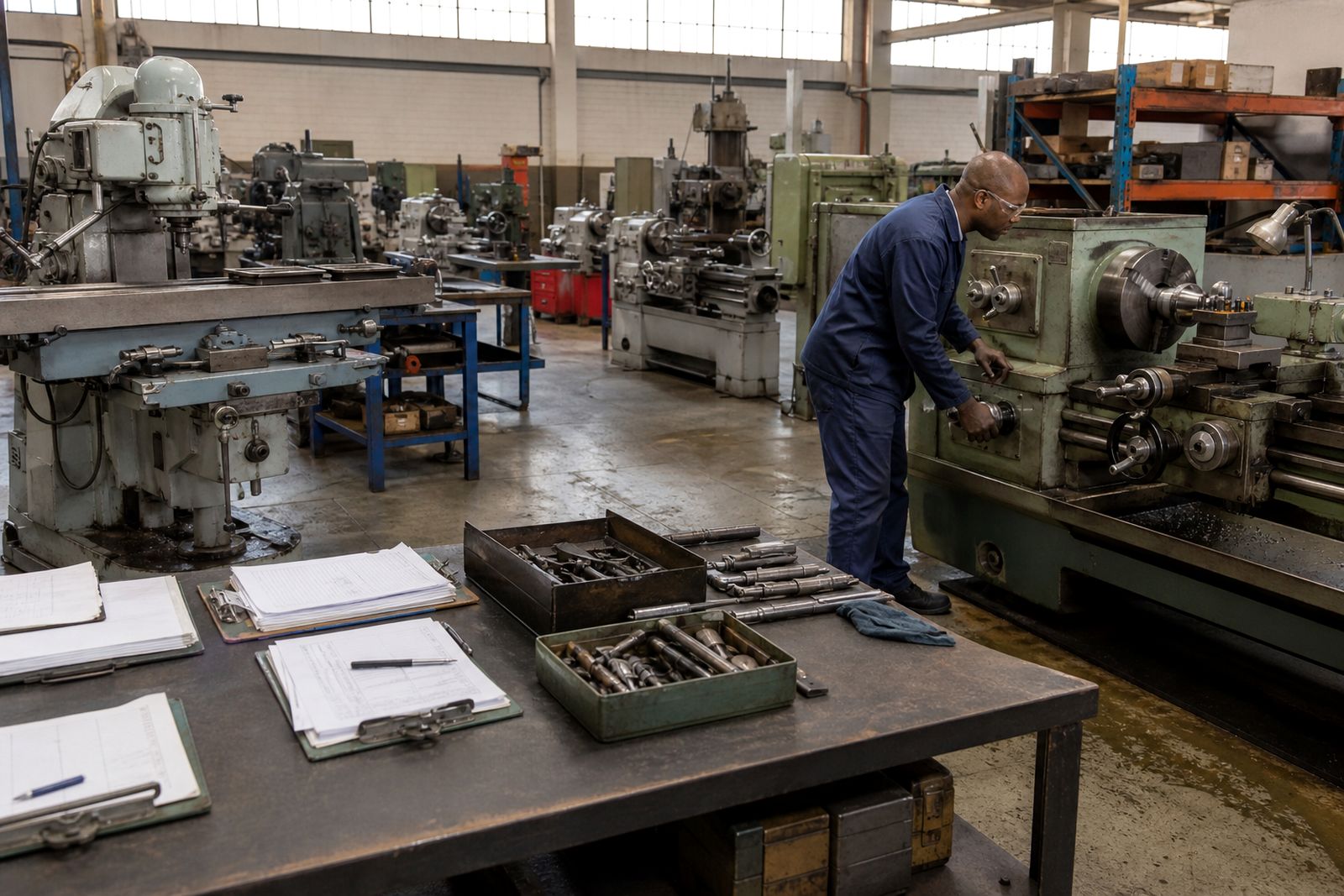
Audit Week
A practical route for audit week on South African workshop floors, with machine records and condition checks ready for review.
Read more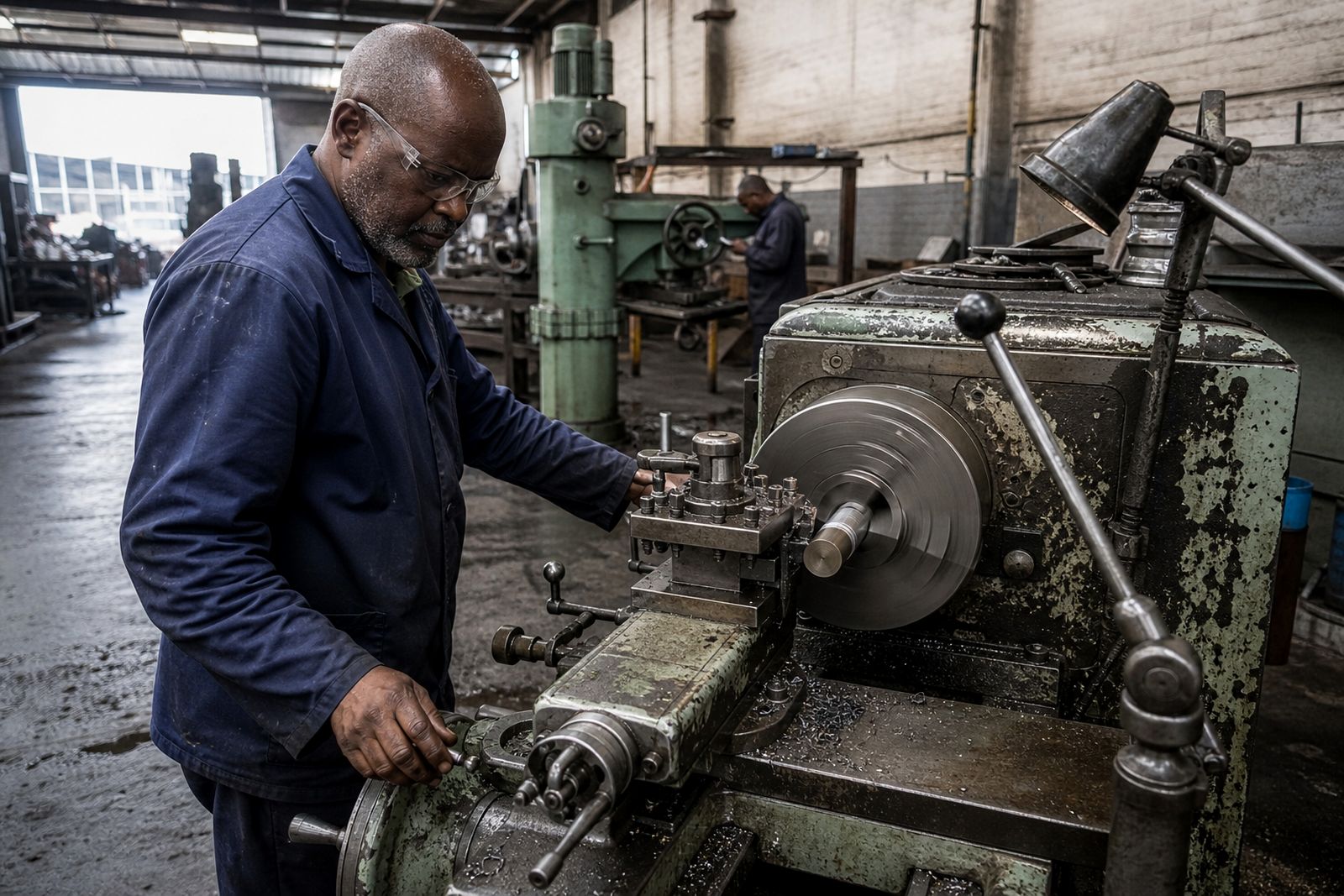
Coastal Site
A practical route for a coastal site on South African workshop floors, where moisture and corrosion affect machine care and set-up.
Read more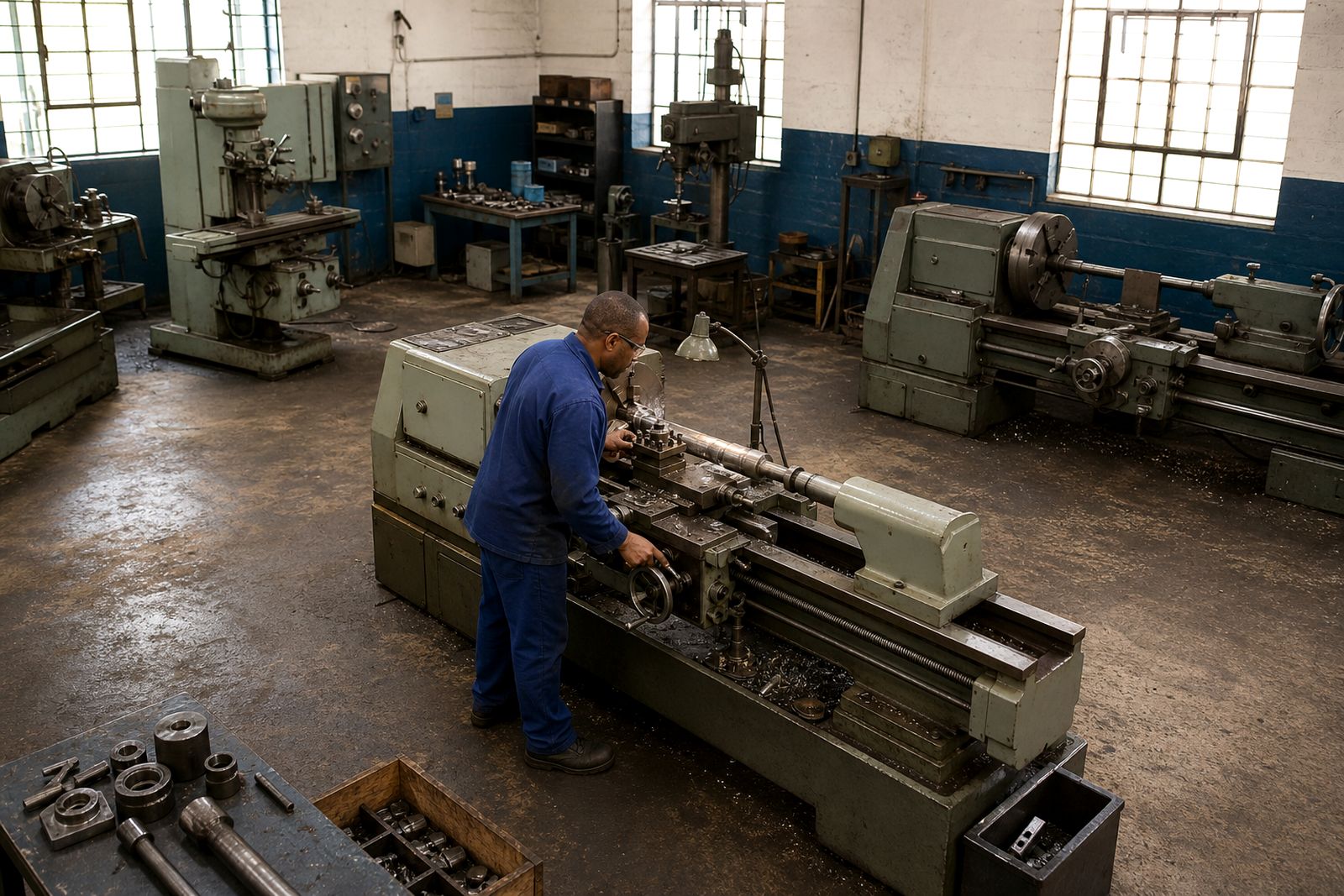
Demo Path
A practical route for a demo path on South African workshop floors, built around showing how a machine works on real jobs.
Read more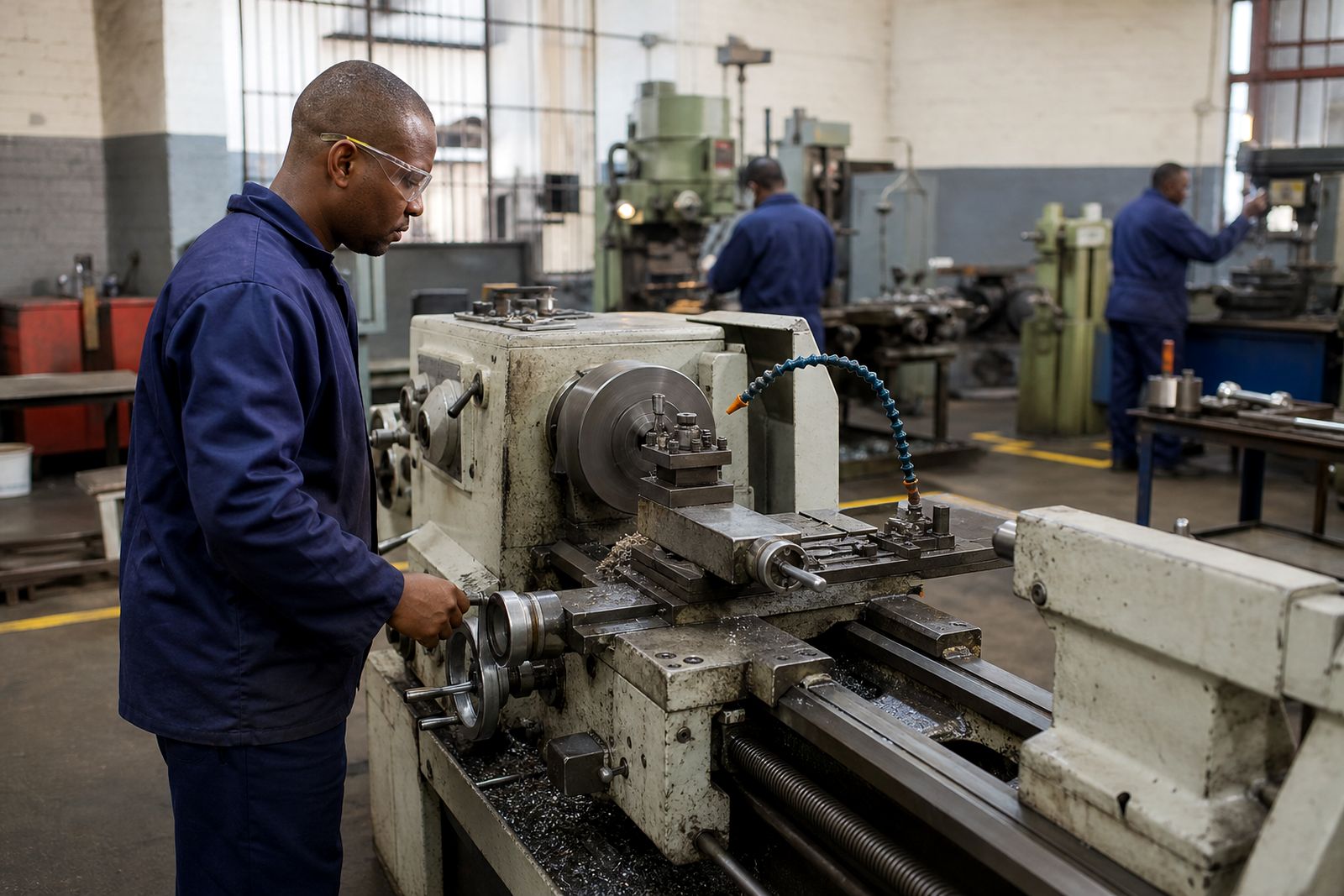
Education Cell
A practical route for a training cell on South African workshop floors, with machine choices that suit colleges, apprentices and trade schools.
Read more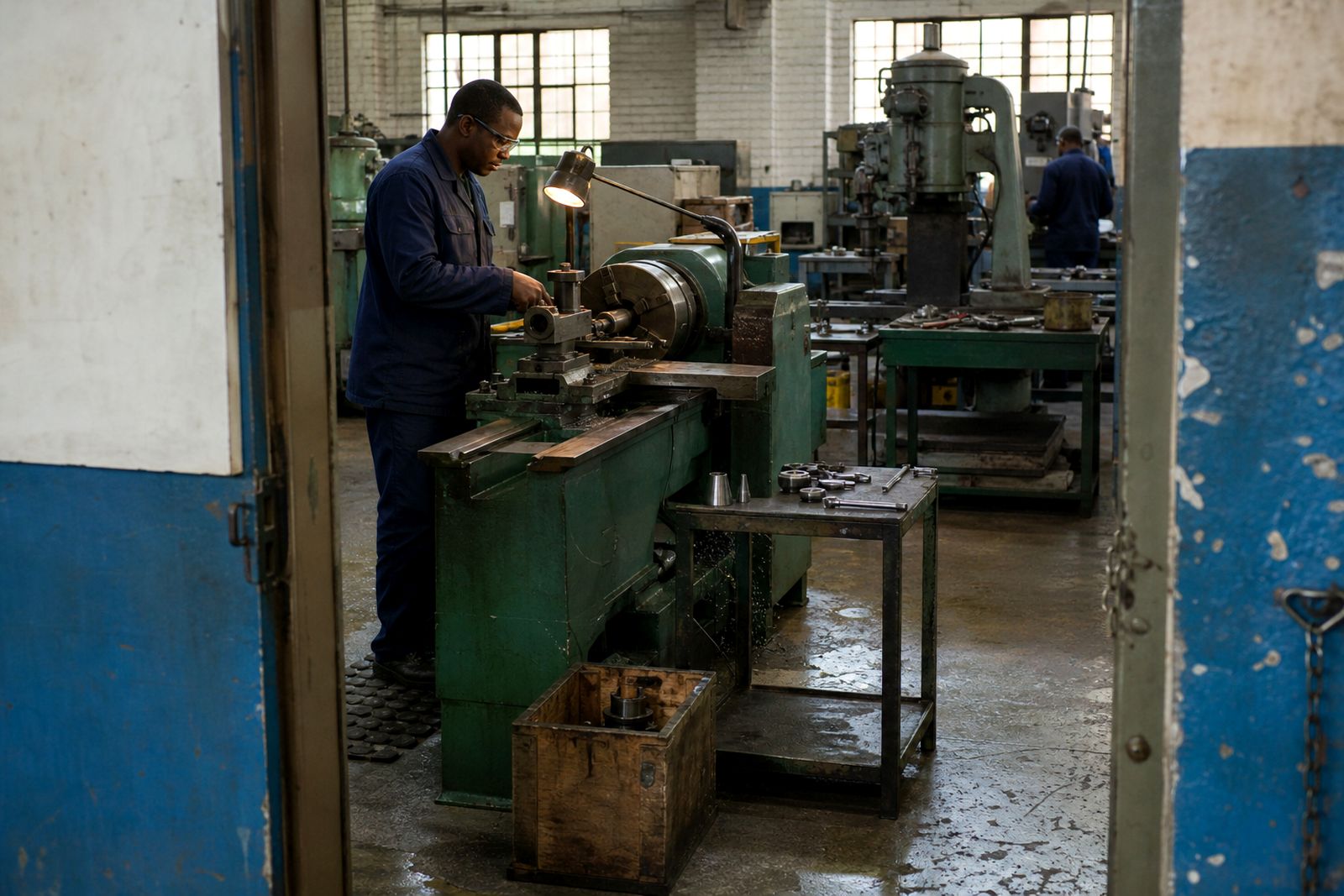
Export Line
A practical route for an export line on South African production floors, where machine capability and paperwork both need to line up.
Read more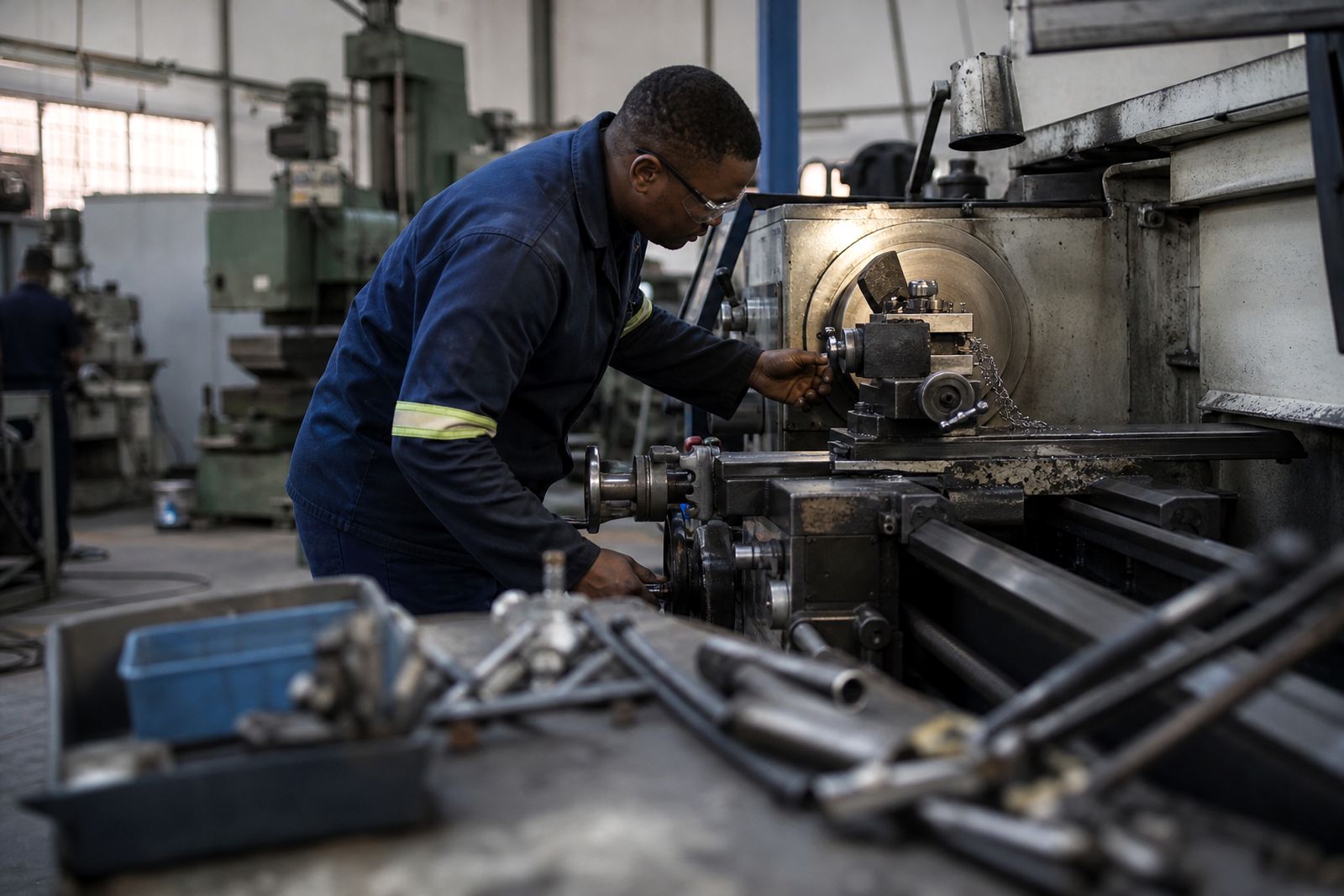
Handoff Pack
A practical route for a handoff pack on South African workshop floors, so the next owner or operator gets the machine details in one place.
Read more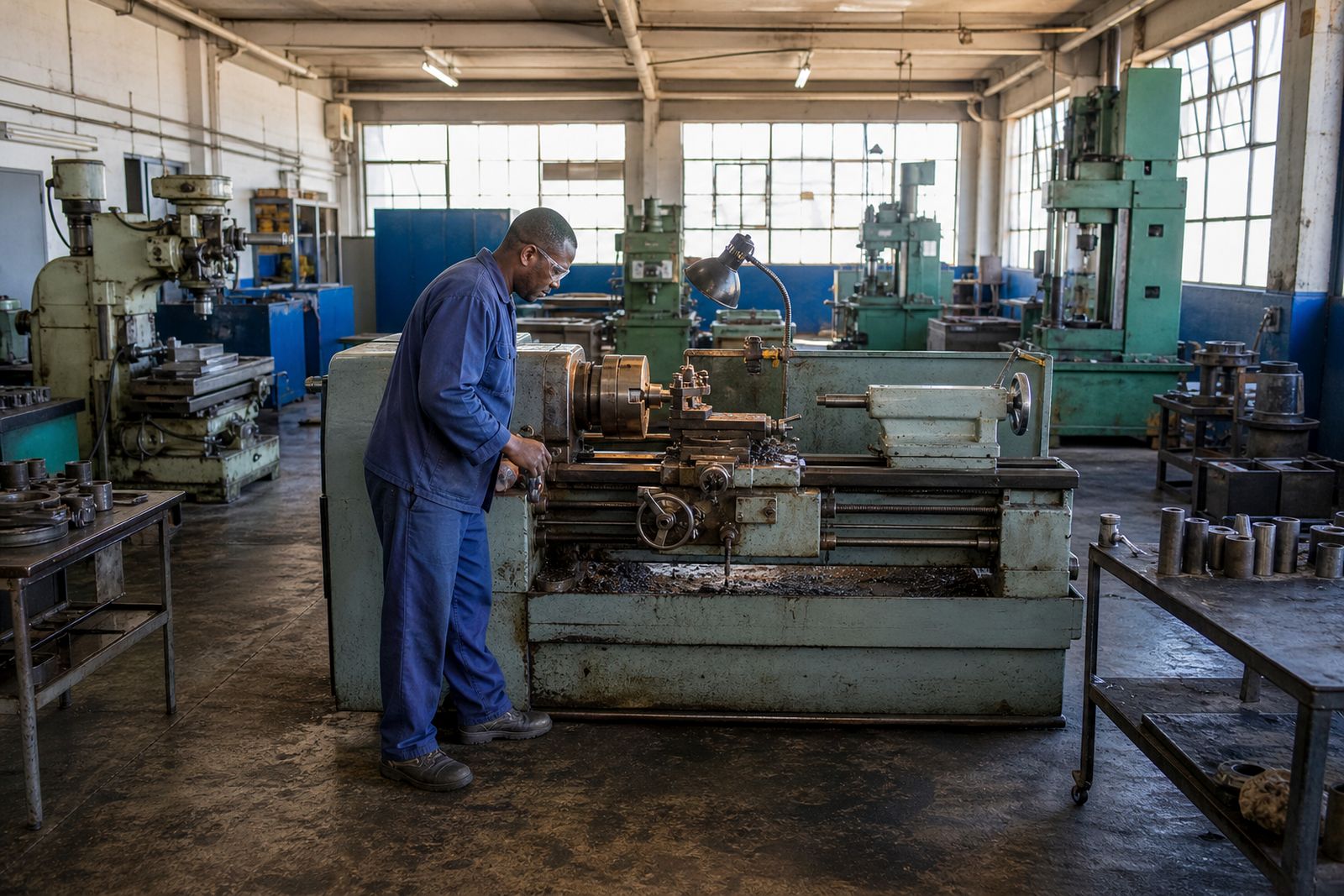
Highveld Site
A practical route for a Highveld site on South African workshop floors, where dust and dry conditions shape upkeep and operation.
Read more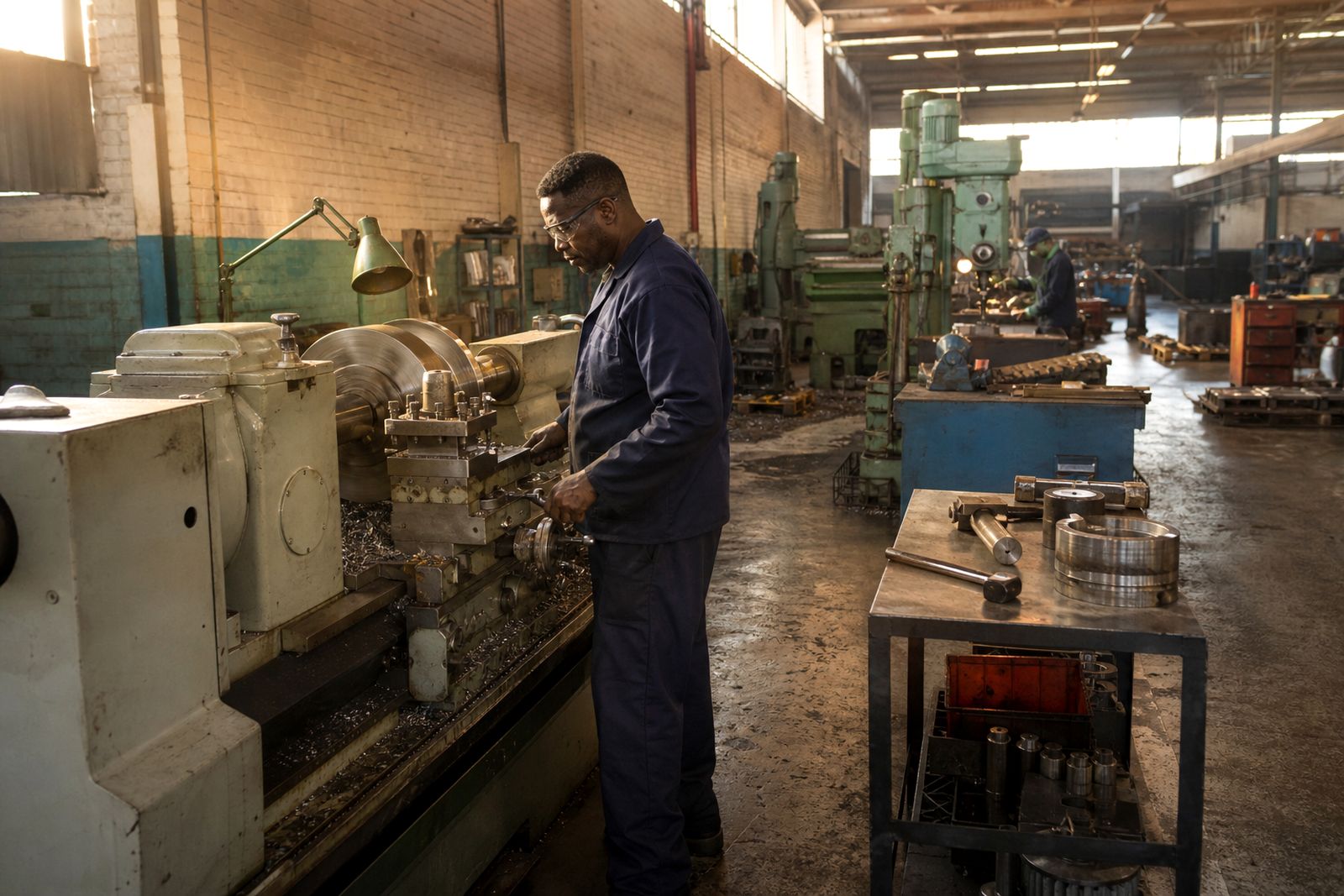
Multi Site
A practical route for multi site on South African workshop floors, where machine supply and support must work across more than one branch.
Read more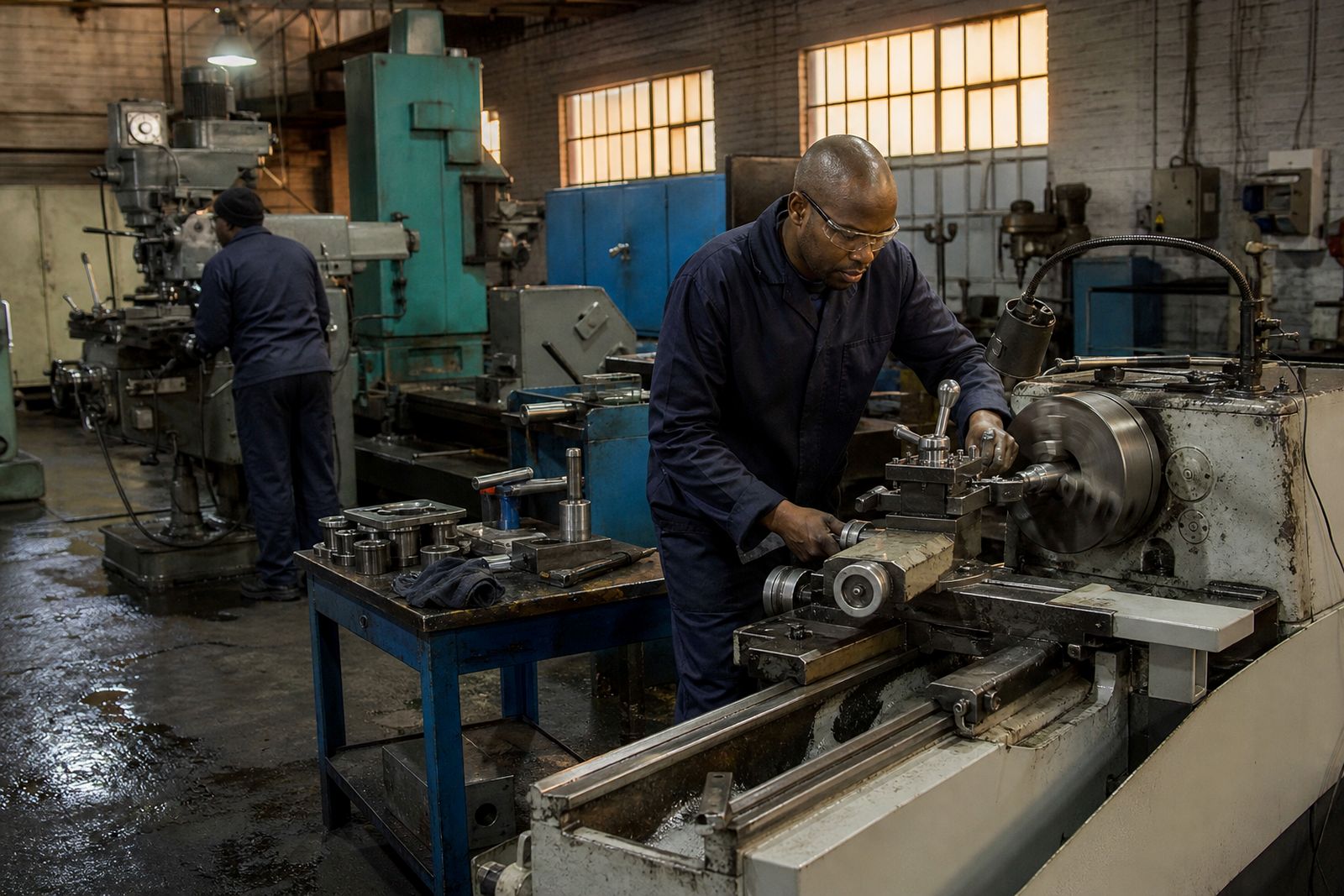
Overnight Run
A practical route for an overnight run on South African workshop floors, where machine readiness matters before the next shift takes over.
Read more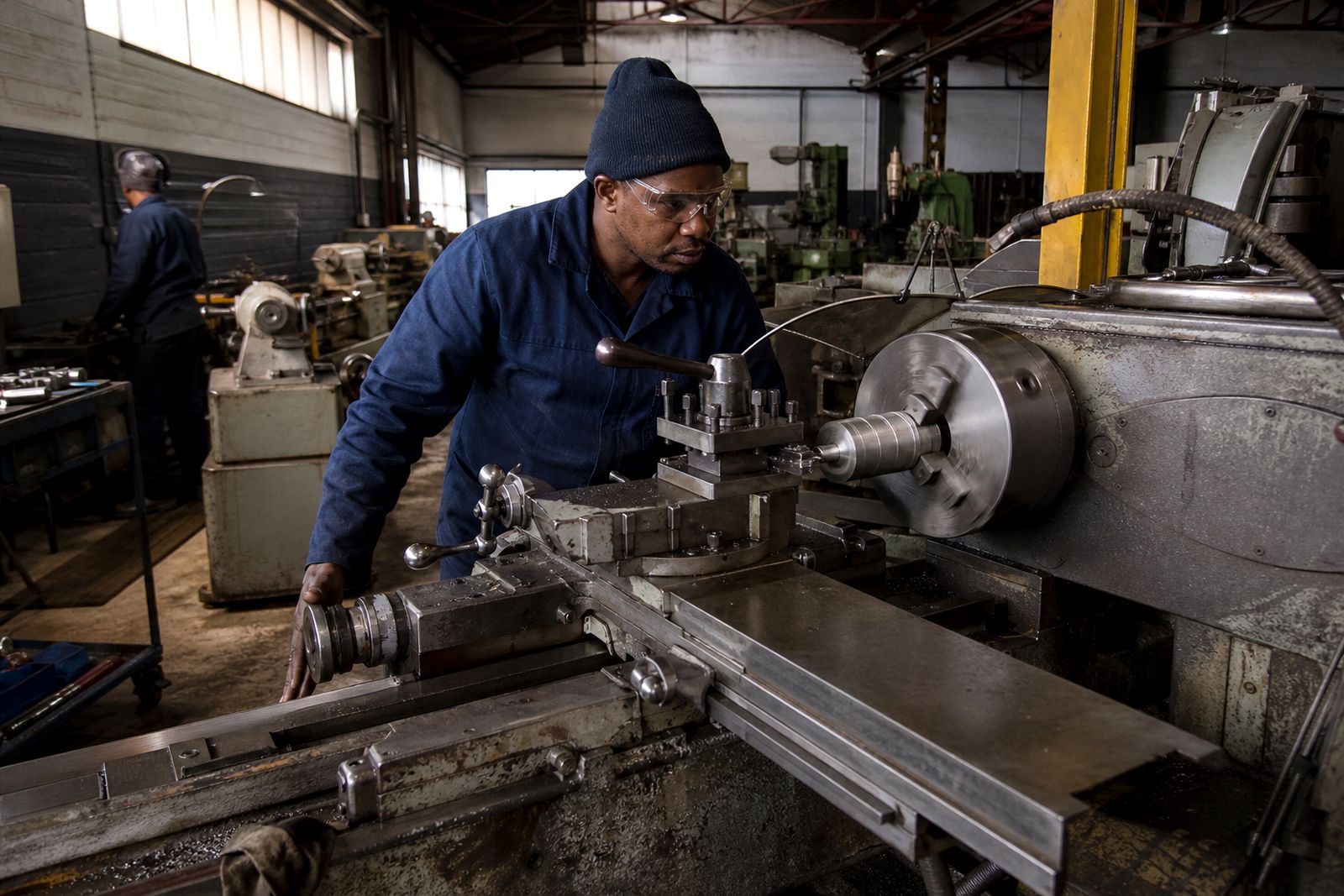
Retail Bay
A practical route for a retail bay on South African trade floors, where customers need to compare machine sizes, condition and use.
Read more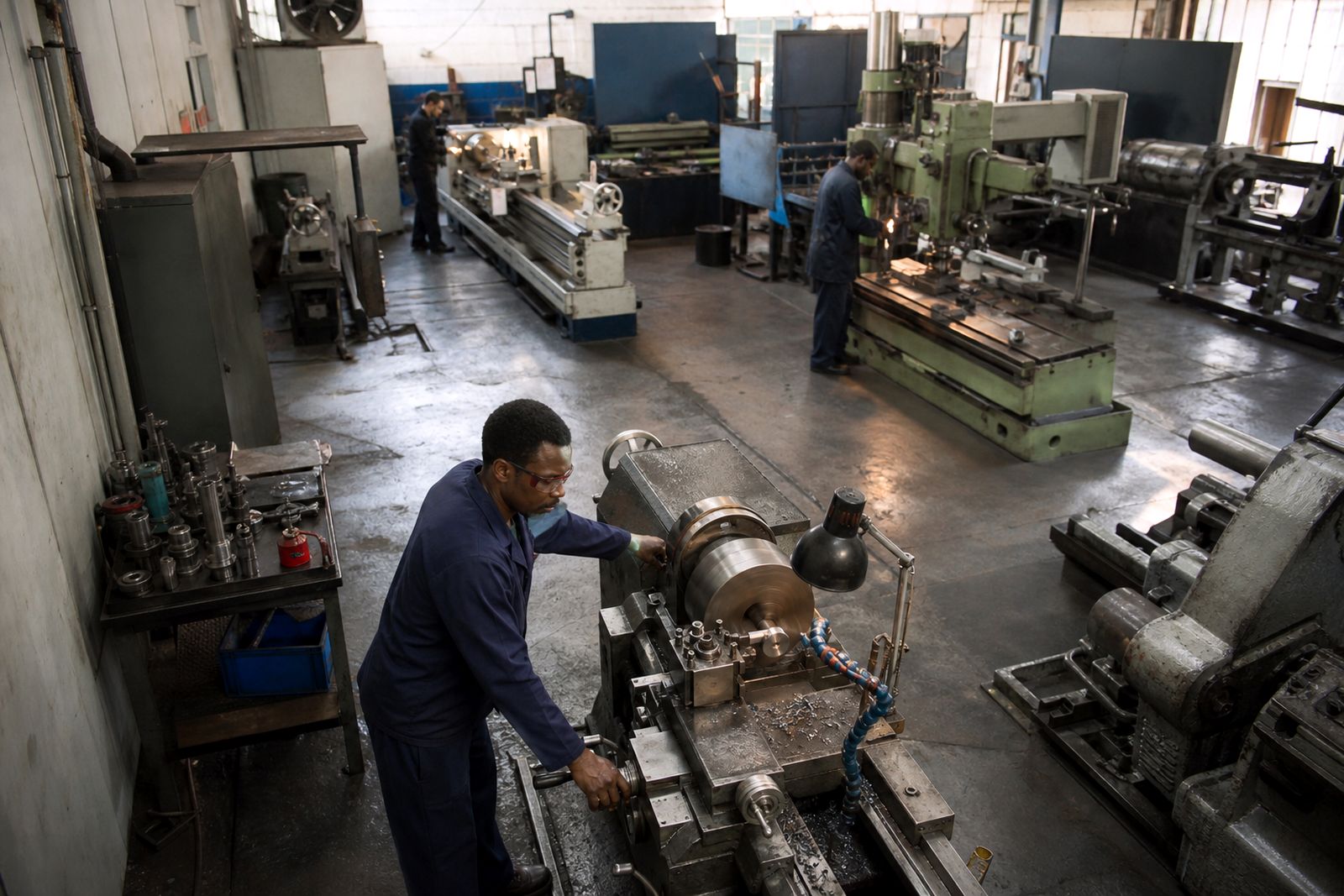
Scale Up
A practical route for a growing workshop adding capacity on South African factory floors, from extra lathes to heavier boring work.
Read more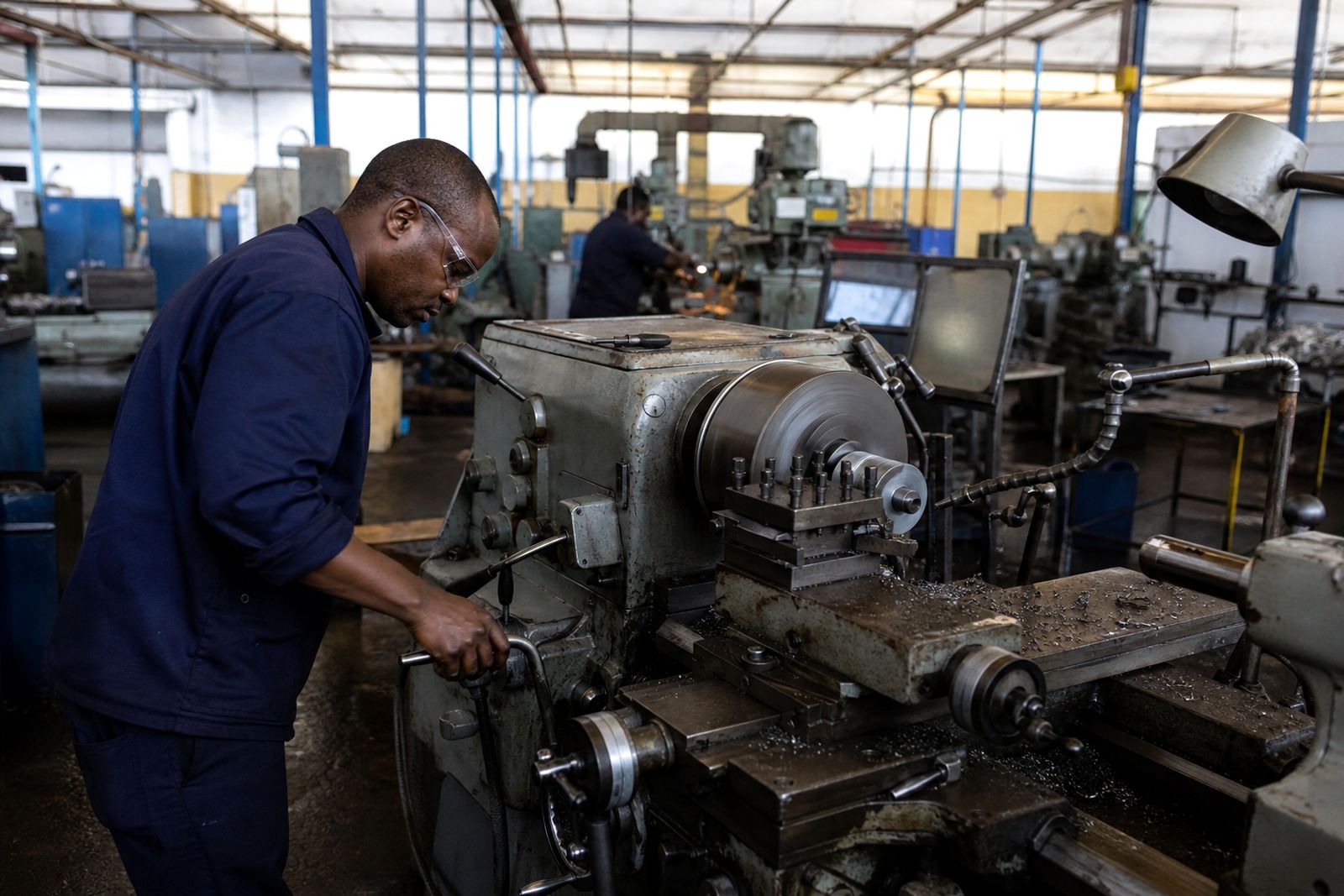
Service First
A practical route for service first on South African workshop floors, when repairs, checks and parts support lead the buying decision.
Read more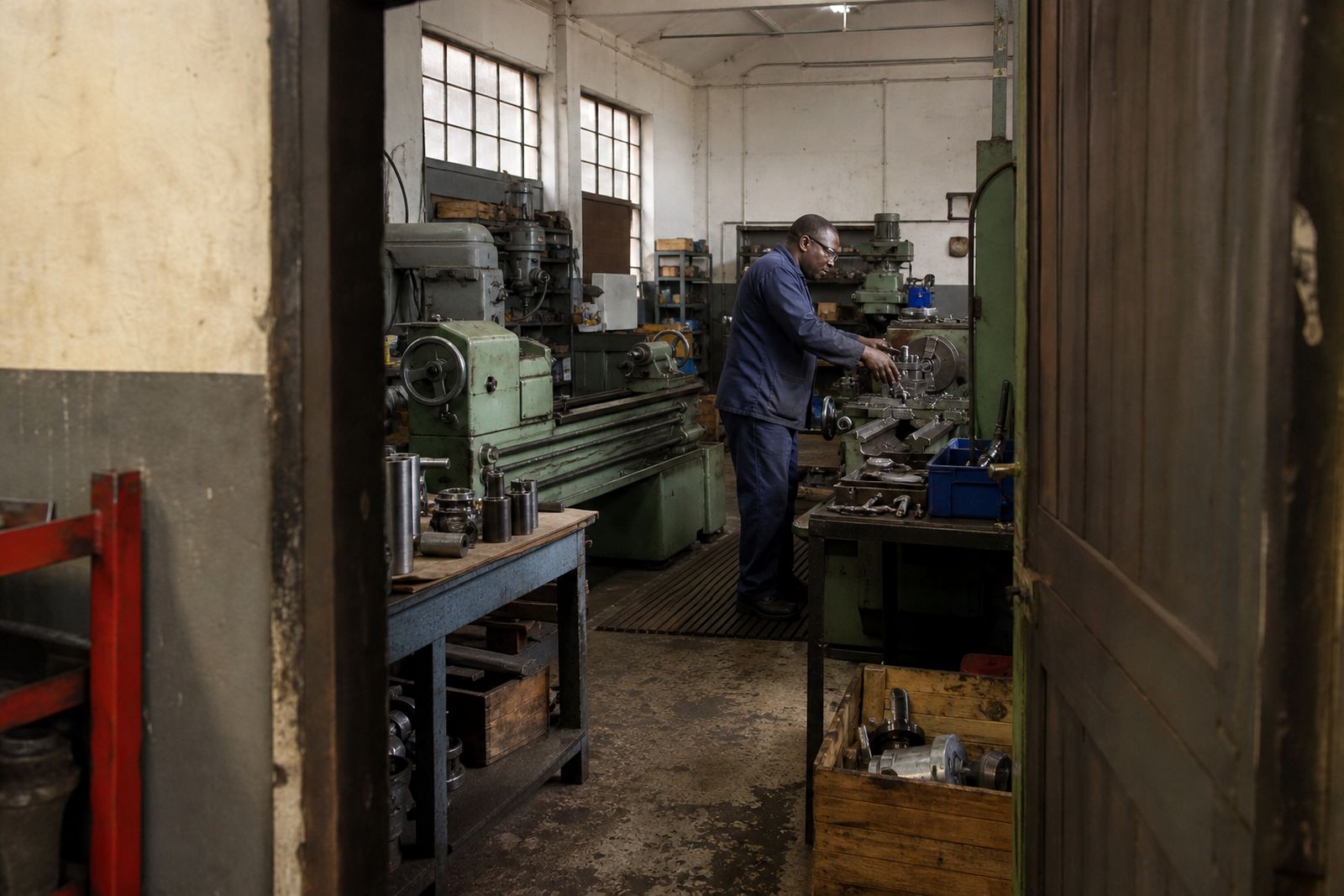
Spares Ready
A practical route for spares ready on South African workshop floors, keeping wear parts and service items in view before downtime starts.
Read more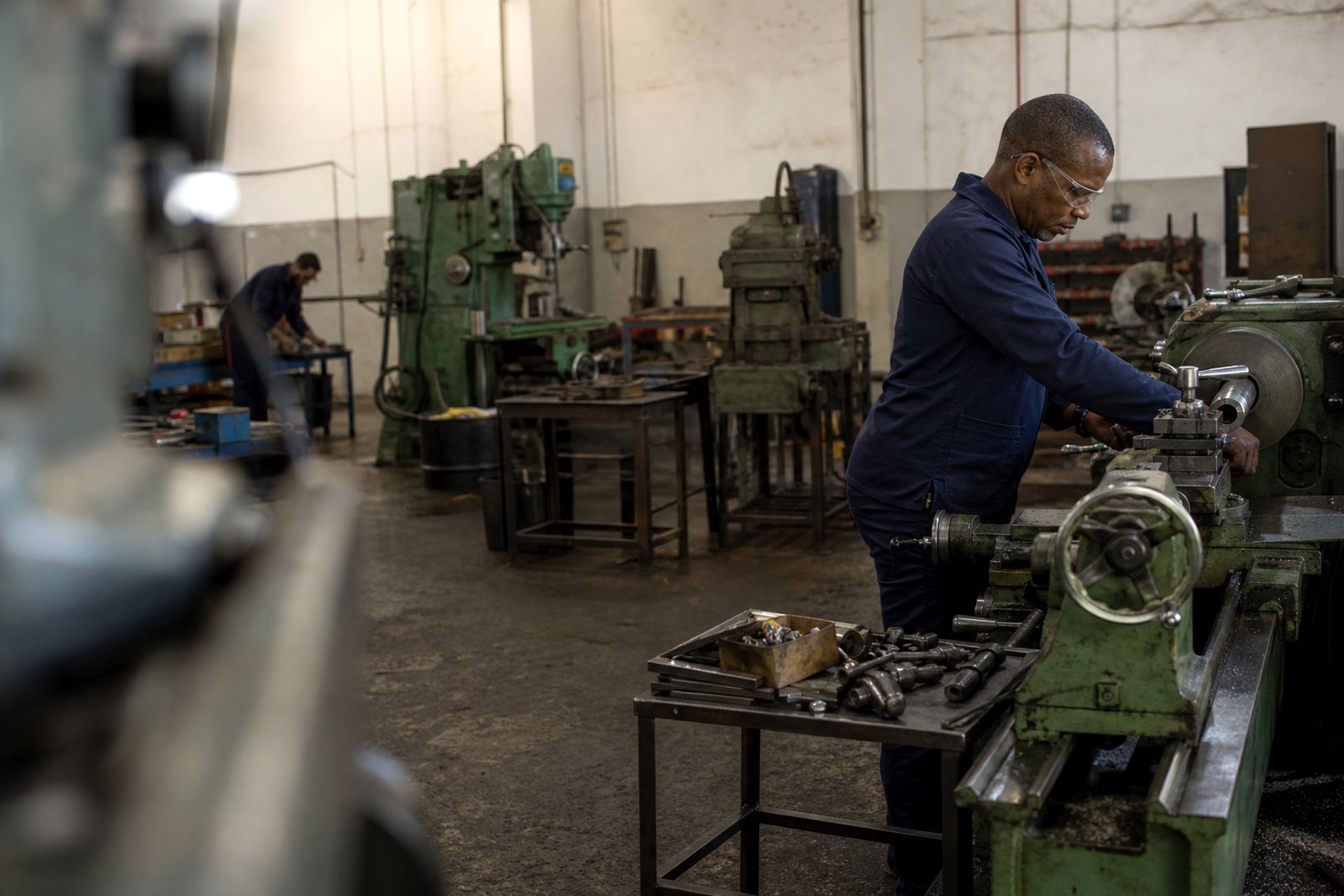
Starter Floor
A practical route for a starter workshop buying its first lathe or valve grinding machine for a South African engineering floor.
Read more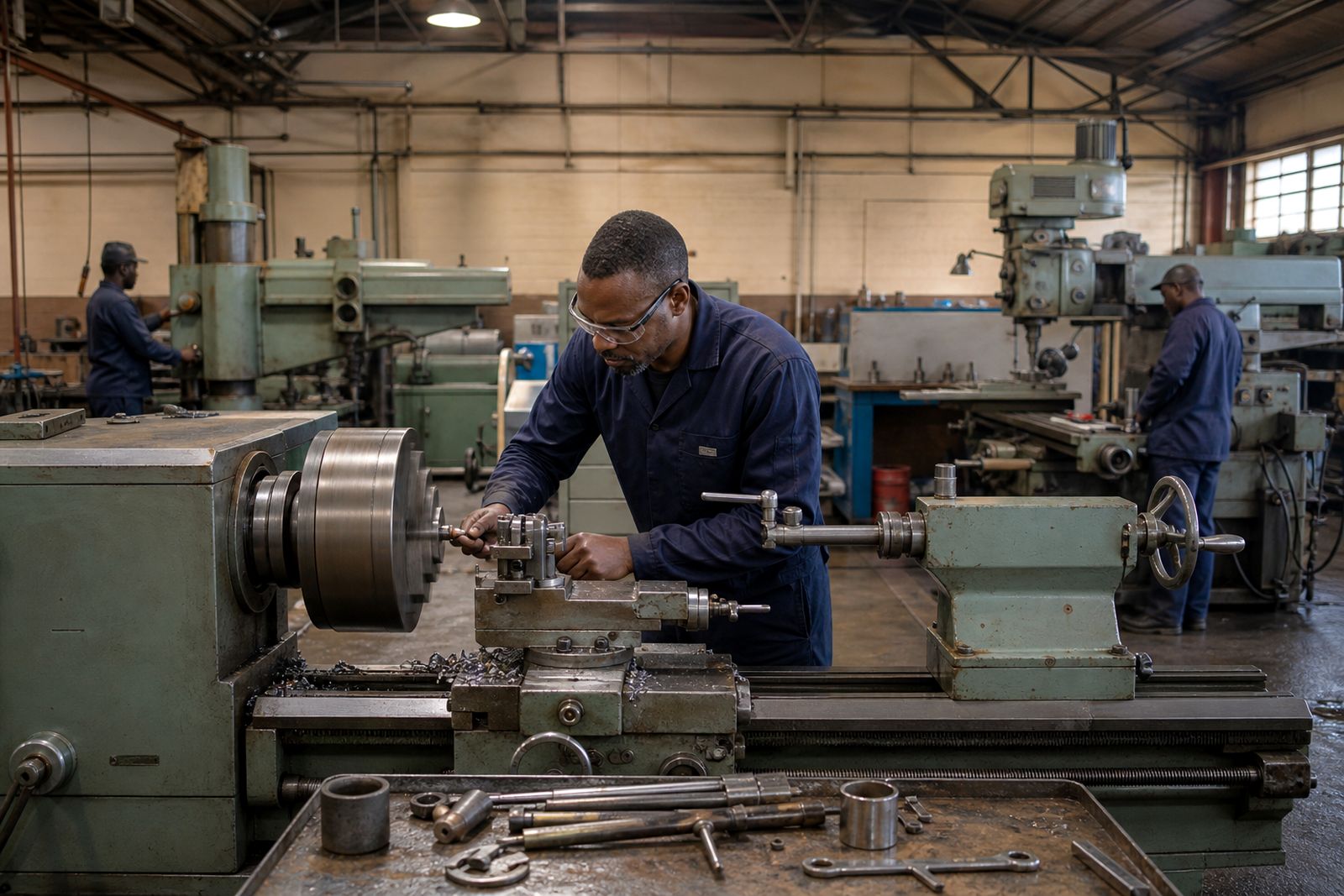
Training First
A practical route for training first on South African workshop floors, with attention to safe operation, handover and operator confidence.
Read more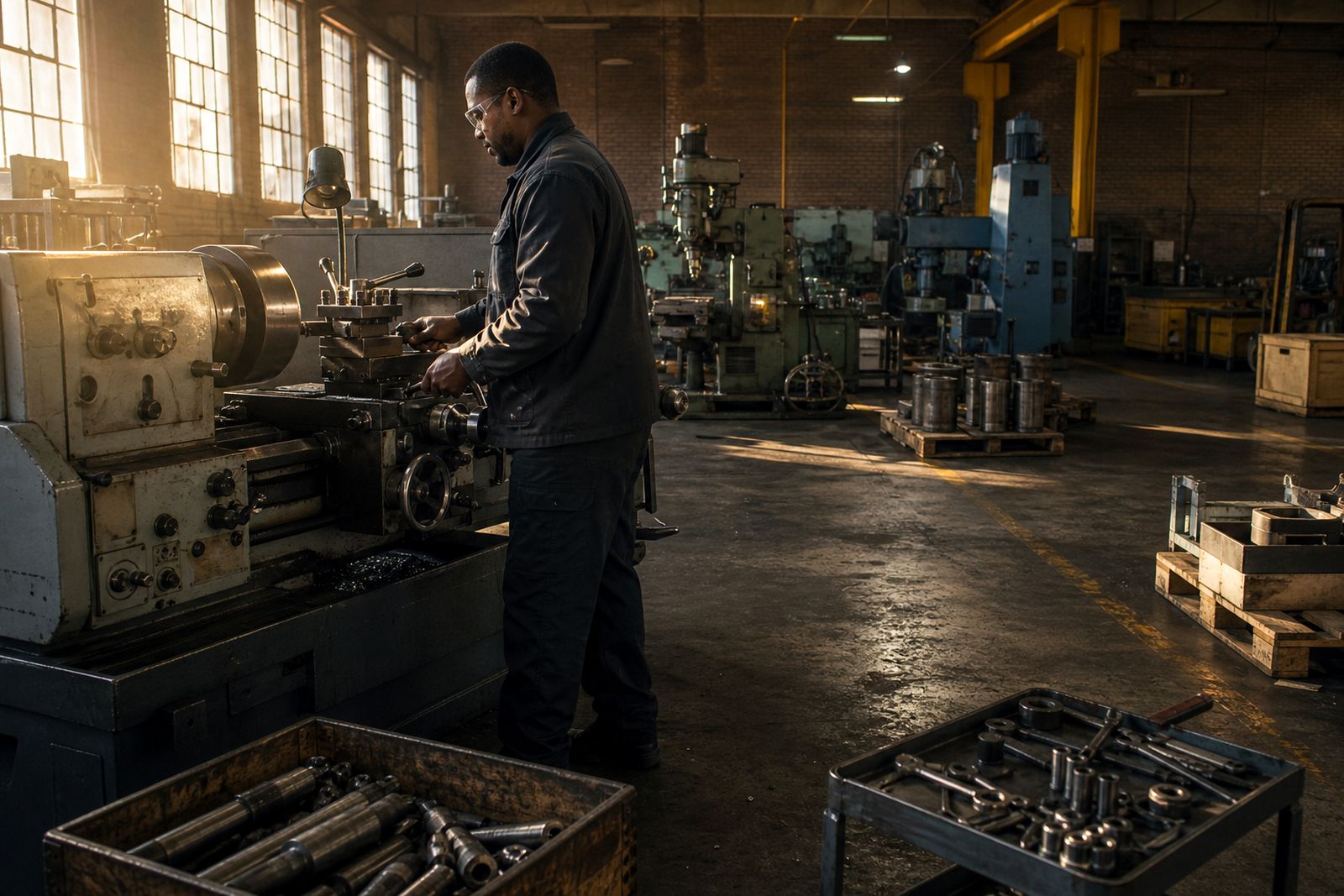
Warehouse Loop
A practical route for a warehouse loop on South African industrial floors, covering machine movement, storage and dispatch planning.
Read moreWhat our Metalworking Machine customers say
Verified Google reviews
Tell us about your workshop
Send a note through our contact form about the work you machine, the space and power you have, and the machine you are after, and we will come back with practical options.
Open the contact form